Rental property
Sell your rental, tenant-in-place or vacant.
You can start whether the rental is occupied or vacant. Have the lease, rent and deposit records, occupancy details, and a plan for authorized access ready.
You can ask for an offer whether the rental is occupied or vacant. Start with the lease, rent and deposit records, occupancy, and a plan for authorized access.
You may be able to start without evicting a tenant, making repairs, or traveling to the property. Do not disturb a tenant or enter without permission. The lease, occupancy, condition, title, and local tenant rules will shape any offer.
Good to know: Legal and financial details vary by situation. This page offers general information, not legal or tax advice. Talk with a qualified Illinois professional about your circumstances before signing an agreement.
What we do
Tenant-in-place or vacant — start with the documents
A property can sometimes be sold with the tenant and lease in place. The buyer and attorneys will need to review the lease, occupancy, deposits, and local tenant rules.
Do not remove a tenant solely for a prospective buyer. Share the lease, payment history, deposits, notices, and any court documents so everyone understands the situation.
Remote owners can start with documents
An out-of-state owner can start by sharing the lease, occupancy records, and a plan for authorized access. If a buyer makes an offer, ask the title company which documents can be signed remotely.
Two-flats, three-flats, multi-unit
Two-flats, three-flats, and four-flats can be considered. If you want to sell only one unit, ask your attorney and title company whether it has its own deed and can be sold separately.
Local tenant rules and security-deposit accounting may affect the contract and closing. Have the attorneys put any transfer, credit, or return of deposits in writing.
No repairs. No cleanup.
- As-is
- No showings
- You pick the closing date.
Common questions
Common questions about the sale.
Do I have to evict the tenant first?
Not necessarily. A property can sometimes be sold with the tenant and lease in place. Do not start an eviction solely for a prospective buyer; let your attorney review the lease, notices, and local rules first.
Can a buyer purchase the property with the tenant in place?
Possibly. The buyer needs to review the lease, rent history, deposits, notices, occupancy, access, and local rules. A sale does not automatically end the tenant's rights, so have an attorney review the lease.
I'm out of state. How do I do this remotely?
Start with the lease, occupancy records, and a plan for authorized local access. If a buyer makes an offer, it will be in writing. Ask the title company whether remote signing is available.
The tenant is behind on rent. Does that change the offer?
It can. Current occupancy, payment history, lease terms, notices, and any pending case can affect value and timing. Share the records so the offer reflects the real situation.
What if the property has significant tenant damage?
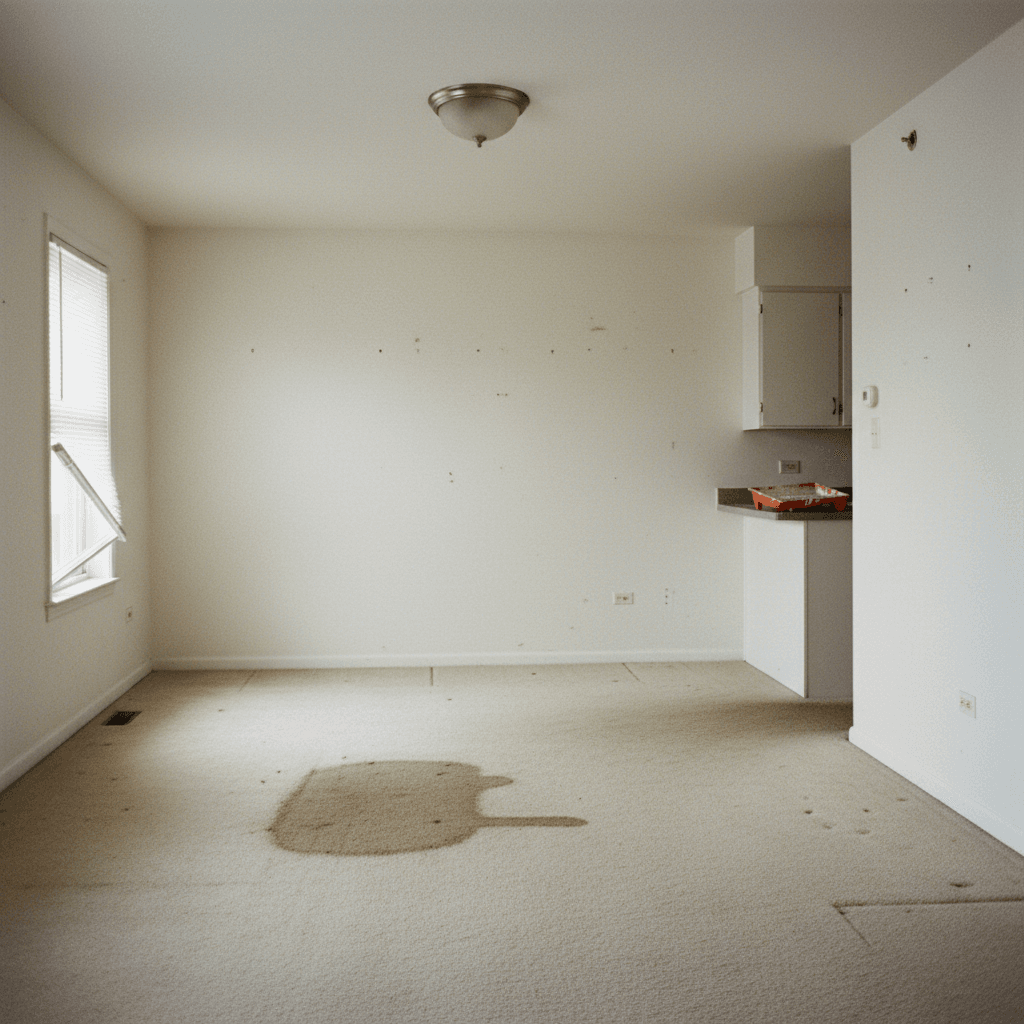
Damage does not automatically rule out an as-is review. Tenant, pet, and smoke damage can affect safe access, project scope, price, insurance, and whether a buyer proceeds.
Do I have to provide the lease or rent roll?
Yes. The buyer and attorneys need the lease, current rent, deposits, payment history, notices, and occupancy details to evaluate a tenant-in-place sale.
What about security deposits at closing?
The lease and local law determine how deposits, interest, notices, and credits are handled. The attorneys and closing agent should put the exact accounting in writing.
Can a buyer purchase just one unit of a multi-family property?
It depends on the legal description and deed. A separately deeded condominium unit may be sold on its own; a single legal parcel generally cannot be split at closing without prior legal work.
What if the tenant refuses to leave after the sale?
The lease, purchase contract, possession terms, and any court process control that outcome. No buyer should promise an eviction result. Your attorney should approve how possession and responsibility are written before you sign.
Related situations
- Inherited houseStart before probate or the family cleanout is finished.
- ForeclosureA foreclosure case is filed. See what the statute gives you and whether a sale is still possible.
- Sell as-isStart with the house in its current condition. No repairs or listing preparation before you ask for an offer.
- House with heavy clutterStart without a full cleanout. Tell us about blocked rooms, hazards, and anything you hope to leave.
- Divorce saleConsider one written offer without choosing a listing agent or scheduling public showings.
A simple first step
Ready to talk about the house?
In any condition.
Start with the property address and tell us a little about the house. We will explain what happens next.
Prefer to talk?
Call 224-219-0970